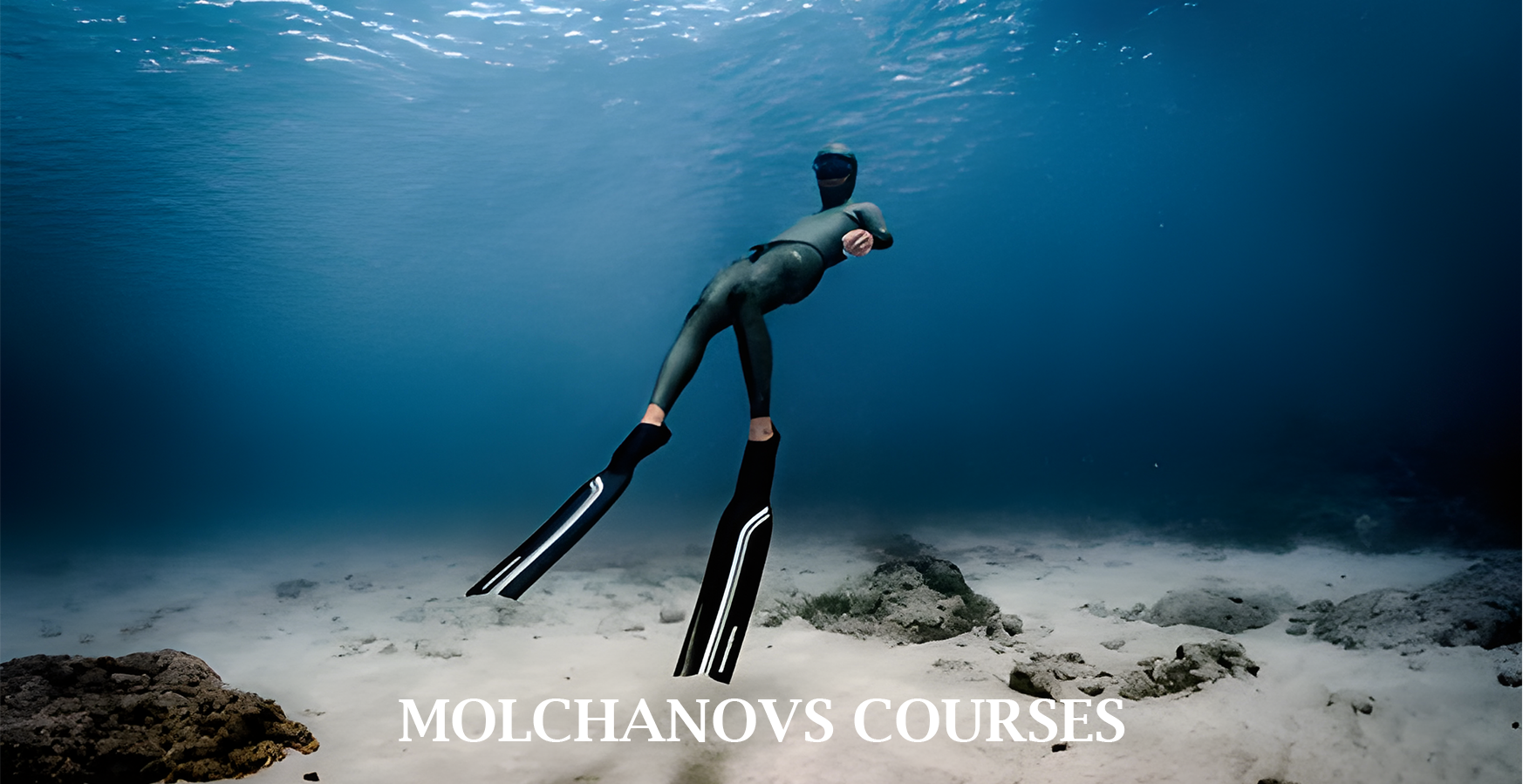
Unlocking the Depths: Molchanov’s Courses for Freediving
Molchanov’s is a well-known organization in the world of freediving and spearfishing. They offer a range of courses designed to help individuals develop their skills and knowledge in these water-related activities. Whether you’re a beginner looking to explore the world of freediving or an experienced diver seeking advanced training, Molchanov’s courses cater to various skill levels.
Molchanov’s courses typically cover essential topics such as breath-holding techniques, safety protocols, equalization methods, and underwater skills. The organization emphasizes not only the physical aspects of these water sports but also the mental and emotional aspects, promoting personal growth and self-awareness in the process.
In summary, Molchanov’s courses provide a structured and comprehensive approach to freediving and spearfishing, making them a popular choice for enthusiasts seeking professional training in these water disciplines
DEEP TRAININGS
Deep training in the context of freediving refers to specialized courses and exercises that focus on preparing divers for greater depths and more advanced underwater experiences. These training programs are typically designed for experienced freedivers who want to push their limits and explore deeper underwater environments.
Here are some key aspects of deep training in freediving:
- Advanced Equalization Techniques: Deep diving requires superior equalization skills, as the pressure on the body increases significantly with depth. Deep training often includes in-depth instruction on various equalization methods, such as Frenzel and mouth-fill, to help divers descend safely.
- Breath-Hold Improvement: Deep training places a strong emphasis on extending breath-hold capabilities. Divers work on improving their static apnea, dynamic apnea, and CO2 tolerance, allowing them to stay underwater for longer periods at greater depths.
- Mental Preparation: Deep diving is as much a mental challenge as a physical one. Training programs often incorporate mental exercises and visualization techniques to help divers manage stress, anxiety, and focus during deep descents.
- Safety Protocols: Safety is a paramount concern in deep training. Divers learn about specialized safety measures, buddy procedures, and emergency protocols for deep dives.
- Depth Progression: Deep training typically follows a gradual progression, starting with shallower depths and gradually moving deeper as divers gain experience and confidence. This step-by-step approach ensures that divers are well-prepared for the increased pressure and physiological challenges of deeper dives.
- Equipment Knowledge: Advanced equipment like sleds, weighted descents, and specialized fins may be introduced in deep training to help divers efficiently reach and return from great depths.
- Underwater Skills: Divers learn specific techniques for deep diving, such as hydrodynamics, streamlining, and body positioning to conserve energy and maximize their efficiency during the descent and ascent.
Deep training programs are an essential part of the journey for freedivers looking to explore the mysteries of the deep sea. However, it’s crucial to approach deep diving with caution and prioritize safety, as the challenges and risks increase with greater depths. Professional training and certification are highly recommended for anyone interested in deep freediving.
Comments are closed